
KENTUCKY
POLO CLUB
A communicative English course for veterinarians
Horses • Veterinary care • Stable management • Daily routines

Welcome to the Polo Club
Welcome to the world of polo! Polo is a team sport played on horseback. It requires skilled riders, well-trained horses and a professional team working together.
Veterinarians, grooms and trainers all have important responsibilities. They work together to keep horses healthy, comfortable and ready for exercise and competition.
- Learn essential vocabulary related to polo and horse care.
- Describe the daily routines of a veterinarian and a groom.
- Use the Present Simple to talk about professional activities.
- Use prepositions of place to describe where things are.
- Communicate about horses and their environment.
Kentucky Polo Club – Video
Watch the video and complete the exercise while listening. The sentences come directly from the speakers in the recording. Pay special attention to the verbs describing the groom's daily routine.
Watch the video
Listen for the actions the groom performs every day. Notice how the speakers use the Present Simple to describe routines.
Listen for these expressions
Complete the sentences
Fill in the gaps with the missing verbs. Use the exact words spoken in the video. Scroll down inside this exercise frame to complete all the sentences.
I usually at 6:30 in the morning.
I them hay, oats, and fresh water.
I do. I their coats and their hooves.
I calm, softly, and slowly so the horse safe.
I you right away and the vet.
Yes, I them and them out in the paddock.
I all the horses, the stables, and off the lights.
Before watching – Discussion questions
- What do you already know about polo?
- What kind of horses are used in polo?
- Who looks after the horses at a polo club?
- What facilities do you expect to see?
Horse care and stable management
Study these expressions. Click the small speaker button next to any word or expression to hear its pronunciation in English.
Click the speaker to listen. You can click again to hear the word repeated.
The pronunciation uses your browser's built-in English speech voice.
The groom's daily routine
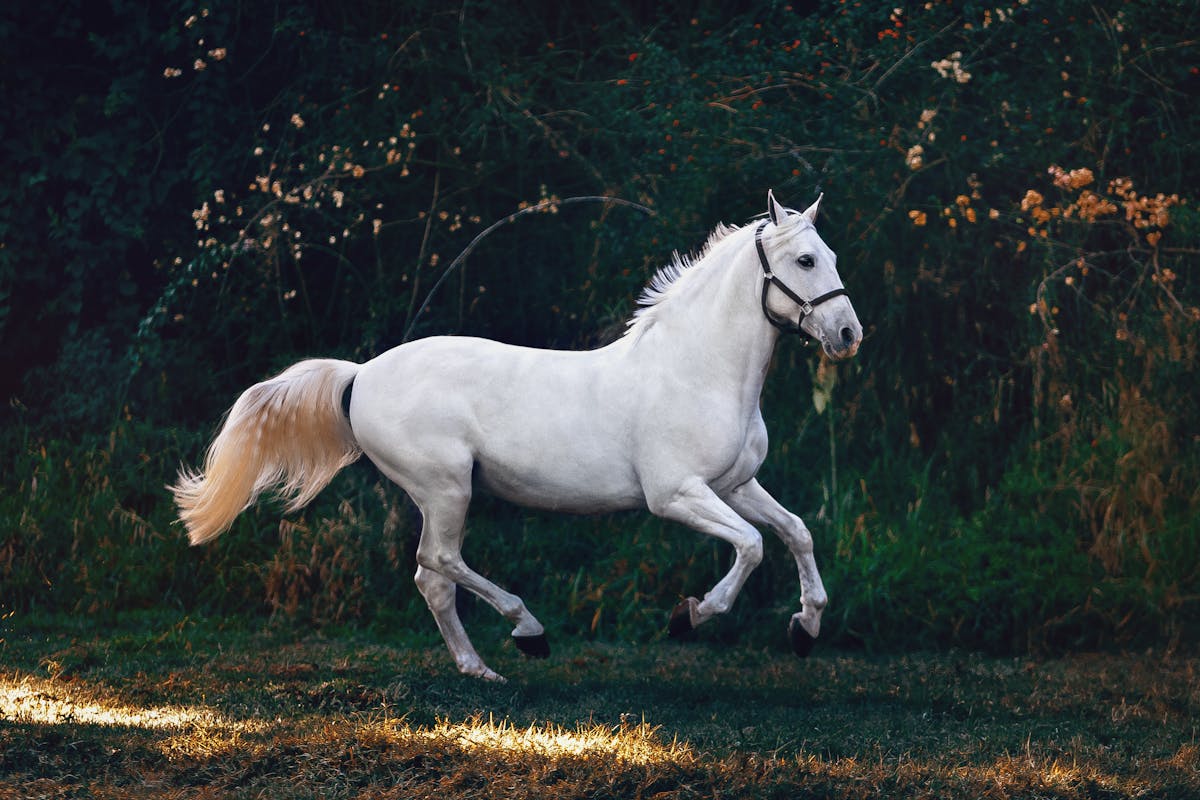
A groom is responsible for the everyday care of horses. The routine may change depending on the stable, the horses and the training schedule.
In the morning
- Arrive at the farm early.
- Check the horses and observe their general condition.
- Prepare the stable routine.
- Give the horses hay, oats and fresh water.
- Brush their coats and check their hooves.
During the day
- Exercise the horses according to instructions.
- Walk the horses and turn them out in the paddock.
- Keep the stables clean and tidy.
- Report any unusual behaviour or signs of illness.
At the end of the day
- Check all the horses again.
- Make sure they have food and water.
- Lock the stables.
- Turn off the lights.
The veterinarian's role
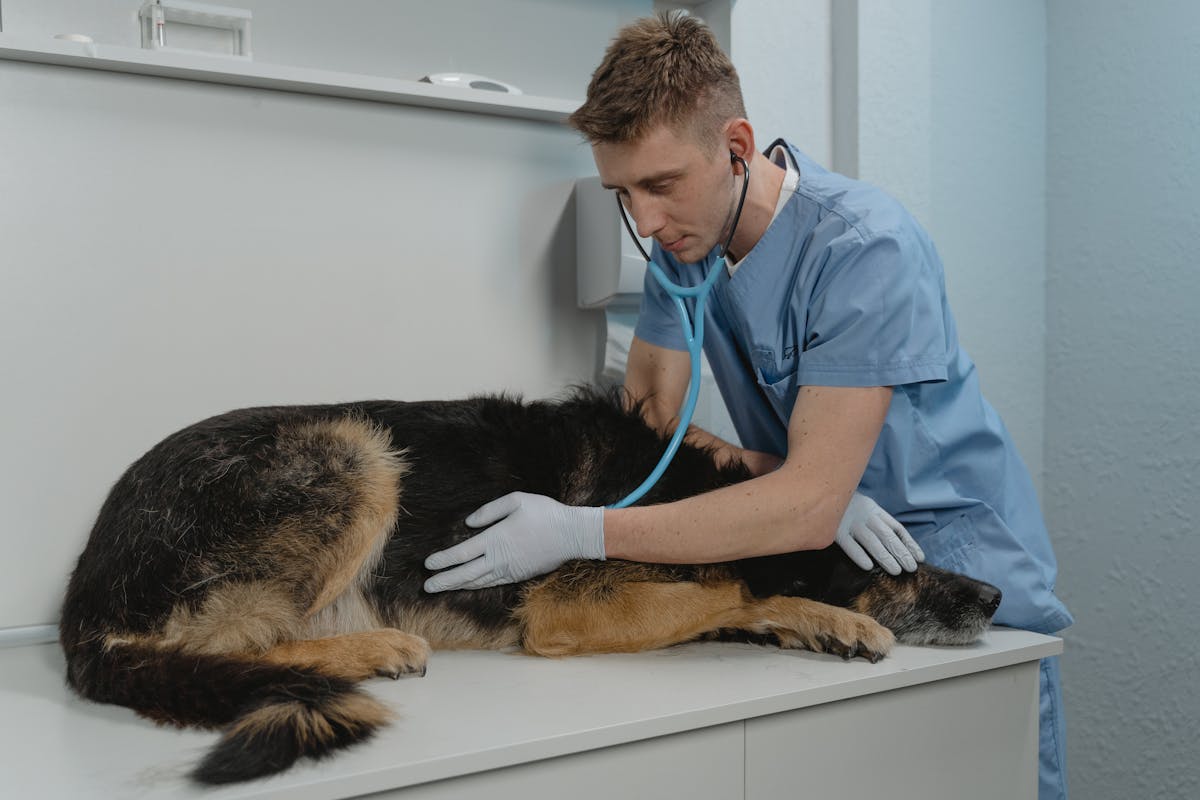
The veterinarian monitors the horses' health and provides medical care when necessary. The groom and the veterinarian need to communicate clearly about changes in a horse's condition.
Health checks
- Check the horse's general condition.
- Observe its movement.
- Check for injuries.
- Monitor its appetite and behaviour.
Communication
- Listen to the groom's observations.
- Ask when the symptoms started.
- Explain the treatment plan.
- Give instructions for follow-up care.
"The horse doesn't seem quite right today."
"I've noticed a change in its behaviour."
"It isn't eating as much as usual."
The Present Simple – Daily routines
We use the Present Simple to describe habits, routines and regular activities.
Affirmative
I check the horses every morning.
You feed the horses.
We clean the stables.
He checks the horses.
She prepares the equipment.
Negative
I don't arrive late.
We don't exercise every horse at the same time.
He doesn't work at night.
She doesn't feed the horses in the afternoon.
I check → He checks
I brush → She brushes
I do → He does
I go → She goes
Frequency adverbs
We use frequency adverbs to say how often we do something.
Usually goes before the main verb:
I usually arrive at 6:30.
She usually checks the horses first.
Choose the correct verb
Complete the sentences using the Present Simple.
Prepositions: AT and IN
We use at with a specific place or point of arrival.
We use in with cities and countries.
Arrive at + a specific place.
Arrive in + a city or country.
Talking about your daily routine
Answer the questions using complete sentences. Give details about your own work with horses.
Example: I usually arrive at 6:30 in the morning.
Example: First, I check the horses and prepare the stable routine.
Example: I give them hay, oats and fresh water.
Example: I stay calm, speak softly and move slowly.
Example: I tell the veterinarian right away.
Example: I check all the horses, lock the stables and turn off the lights.